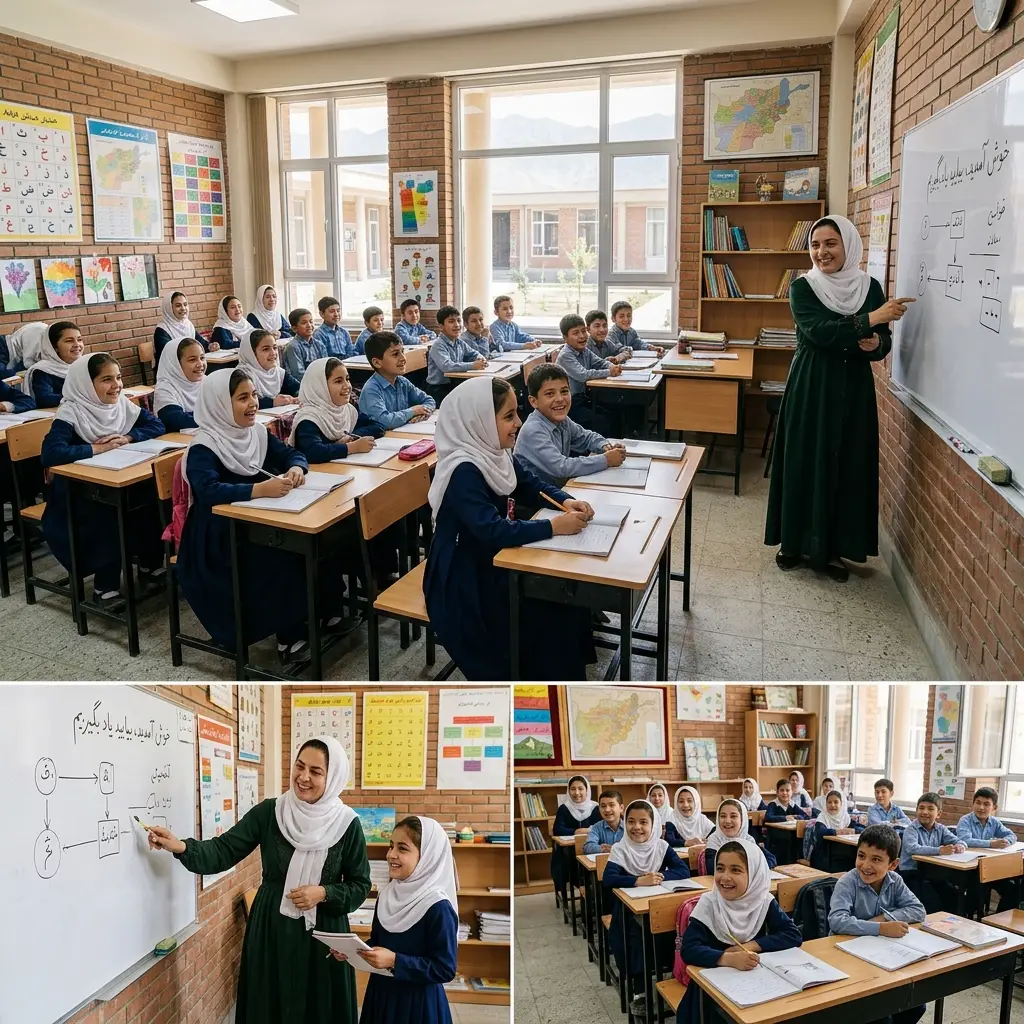
Empowering Communities
Together, we build a future through quality education and support.
Learn More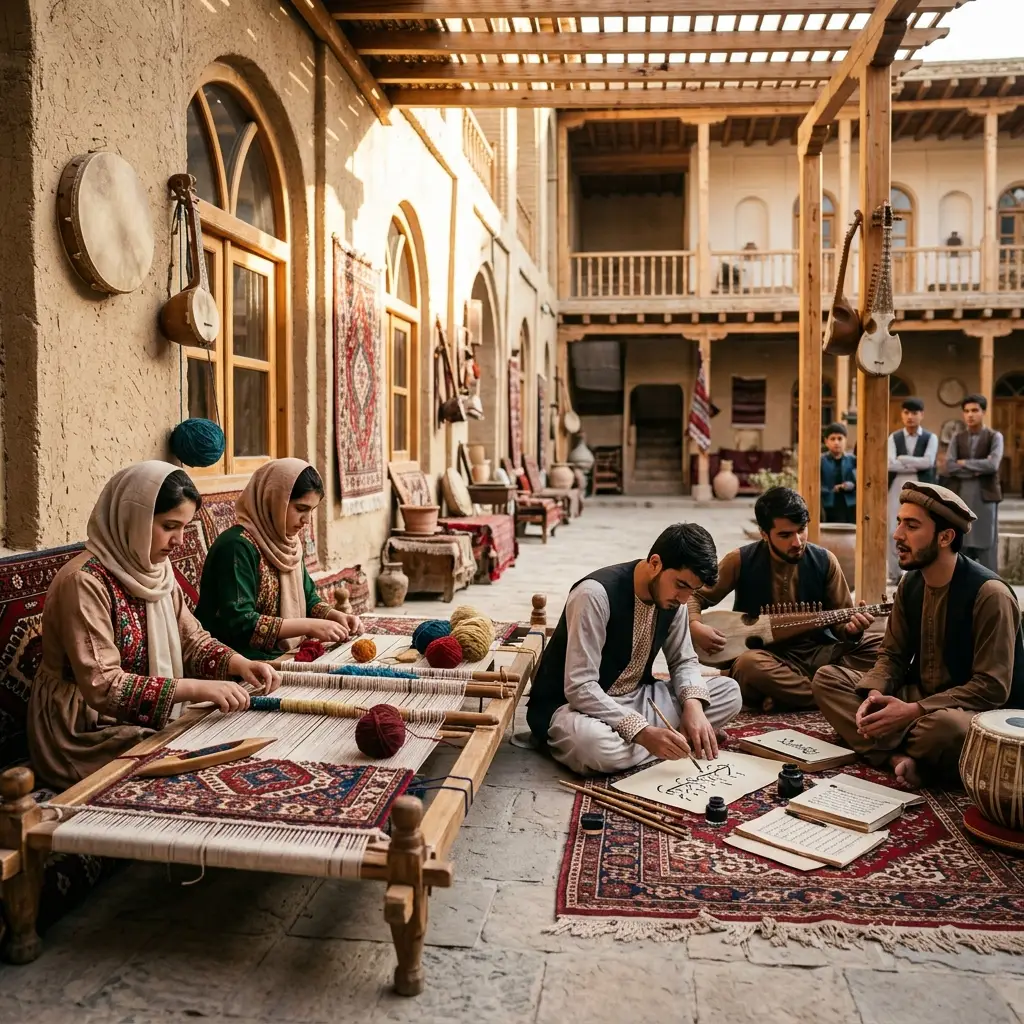
Preserving Heritage
Celebrating and protecting the rich cultural and artistic soul of Afghanistan.
Learn More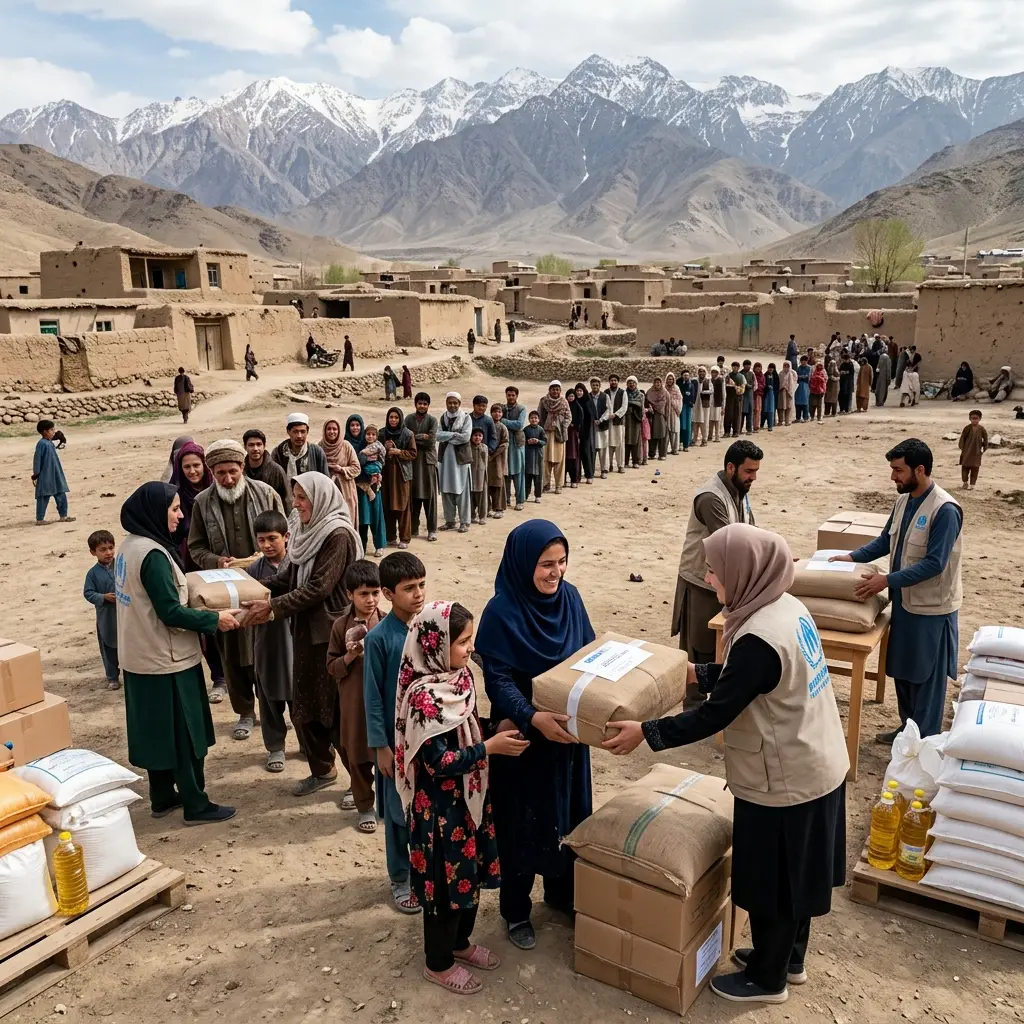
Together, we build a future through quality education and support.
Learn More
Celebrating and protecting the rich cultural and artistic soul of Afghanistan.
Learn More
New Horizon and Development Organization (NHADO) is a non-profit, non-governmental organization dedicated to creating positive and sustainable changes in the lives of women and children. With a focus on empowering vulnerable individuals, this organization strives to build a healthier, safer, and more equitable society where every person lives with dignity and has the opportunity for active participation. Established in 2016, NHADO operates in four key areas: health, education, agriculture, and economy. As a non-governmental entity operating independently of any political or religious affiliations, our sole objective is to improve the quality of life and promote human rights by addressing social challenges with a comprehensive and humanitarian approach.
See More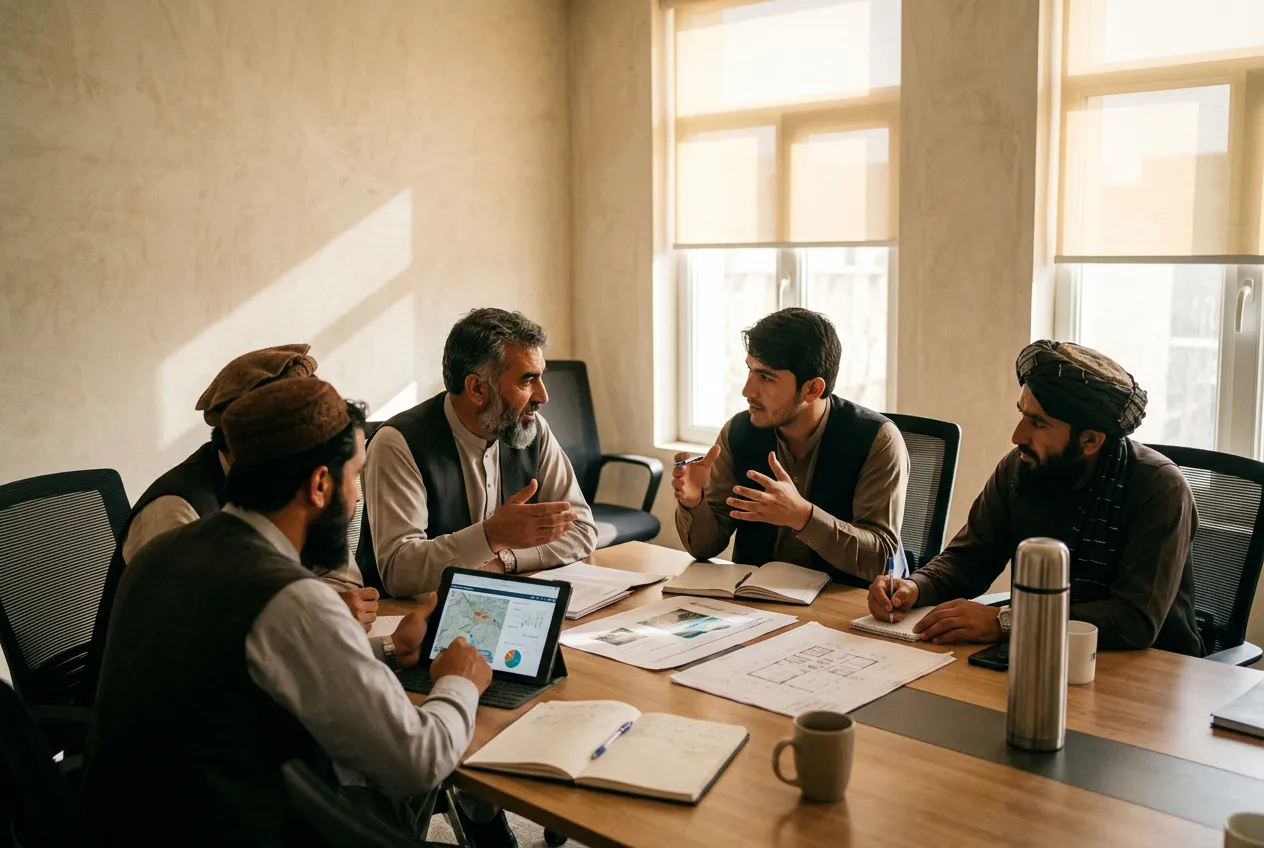
Every number represents a community empowered and a life changed across Afghanistan.
Join us in building a brighter future. You can support our programs by volunteering or making a donation.
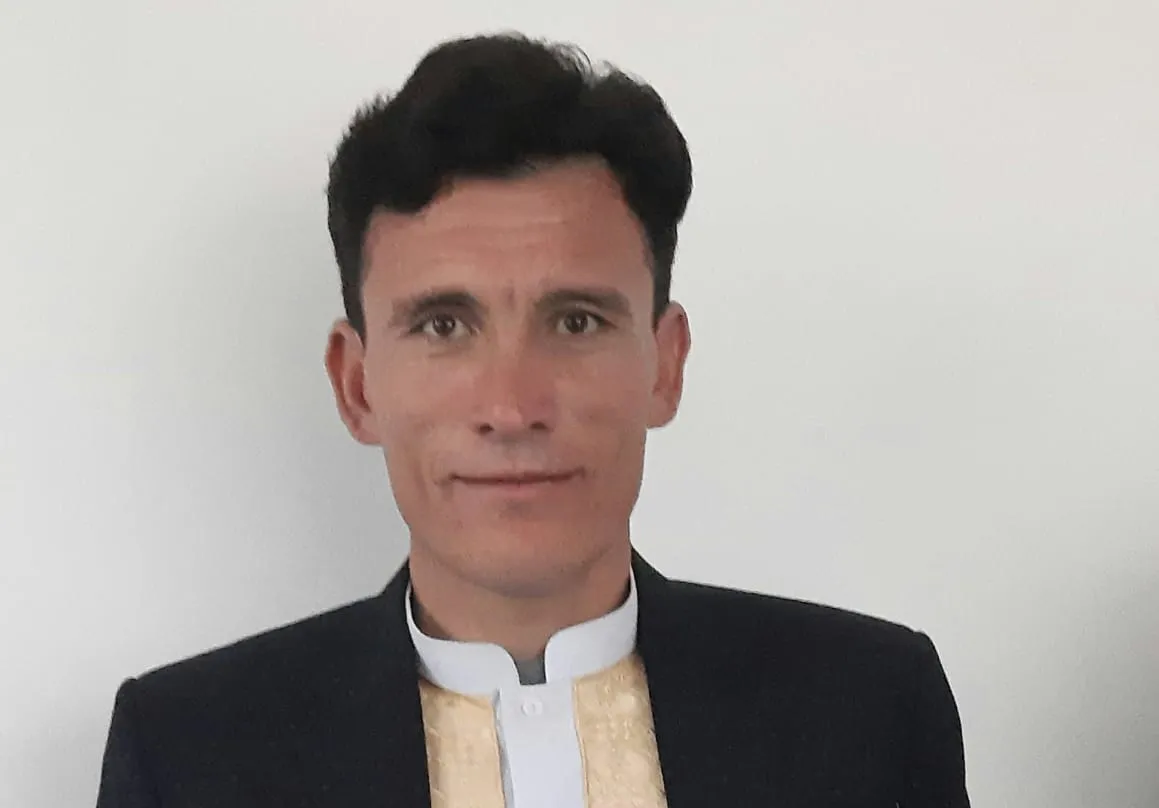
Founder
Abdullah Sharify is a social development leader with a professional background in engineering, project management, community development, and humanitarian initiatives. He has over a decade of experience in designing, managing, monitoring, and coordinating development projects in the areas of education, water supply, WASH services, social infrastructure, and support for vulnerable communities. His experiences witnessing the impacts of conflict, poverty, inequality, and social deprivation, combined with his professional engagement in development projects, shaped his belief that sustainable development cannot be achieved through infrastructure development alone. He believes that real and lasting development requires investment in people, education, health, mental well-being, social participation, and equal opportunities for all members of society. Abdullah Sharify holds a Master’s Degree in Management from the University of Yazd (2020) and a Bachelor’s Degree in Water Supply and Environmental Engineering from the Faculty of Civil Engineering, Kabul Polytechnic University (2013). The combination of technical engineering knowledge and management expertise has enabled him to lead complex development initiatives and contribute to sustainable solutions for social and community challenges. From 2013 to 2017, Abdullah Sharify served as a Monitoring and Evaluation Engineer with the Education Quality Improvement Program (EQUIP), a program supported by the World Bank, in Bamyan Province. During this period, he was involved in monitoring and supporting the implementation of educational infrastructure and essential services projects. He contributed to the construction of 33 schools, rehabilitation of 134 schools, and implementation of 45 Water, Sanitation, and Hygiene (WASH) projects across Bamyan city and six districts. These initiatives primarily focused on improving access to quality learning environments and essential services for children, especially girls and students from underserved communities. During this assignment, he worked closely with parent councils, school administrators, teachers, students, and local communities. He played an active role in community needs assessments, stakeholder coordination, monitoring project quality, and ensuring that development interventions responded to local priorities. From 2018 to 2021, Abdullah Sharify served as Project Manager for the WatSIP Program, where he led technical teams, managed development projects, and coordinated with government institutions, communities, and other stakeholders. One of his major achievements during this period was leading the survey, design, and project development process of a comprehensive urban water supply system for Ghazni City. The project included the design of 16 deep wells, four water reservoirs with a total capacity of 10,000 cubic meters, and a long-term water supply plan designed for a 25-year horizon, considering population growth and an annual migration rate of 5 percent. Under his leadership and coordination, 136 rural water supply projects were implemented across 16 districts, providing essential services to approximately 84,200 people. These projects contributed to improving access to basic services and enhancing the quality of life of communities in underserved areas. From 2022 to 2025, he worked as an Office Engineer at Rixon Construction and Engineering Company, which implemented development projects, including projects related to United Nations organizations. In this role, he contributed not only to technical coordination but also to organizational planning, strategy development, financial management, reporting, proposal development, and strengthening internal management systems. In June 2026, Abdullah Sharify founded New Horizon and Development Organization (NHADO) to transform his professional experience and social commitment into an institutional platform for serving communities. NHADO focuses on supporting women and children, promoting health and education, and contributing to the development of healthier, safer, and more empowered communities. As a social development leader, Abdullah Sharify is committed to the values of integrity, justice, human dignity, transparency, accountability, responsibility, respect for diversity, and service to communities. These principles guide his leadership approach and professional decisions. He believes that the future of Afghanistan depends on healthy, educated, and empowered children, as well as educated and empowered women who can actively contribute to society. In his view, sustainable development can only be achieved through social justice, inclusive participation, and investment in education and health. His professional philosophy: "Every person can become a source of positive change. True development begins with people, not only with buildings; and knowledge, compassion, and commitment are the three foundations for building a better future."

Deputy of New Horizon and Development Organization
Hedayatullah Rahimi is an active professional in the fields of law, social development, and education in Afghanistan. He graduated with a degree in Law from Gharjistan University in Kabul Province in 2020. He is currently pursuing a Master’s degree in International Law at Khatam Al-Nabieen University. Hedayatullah Rahimi has pursued his professional and social activities with a focus on education, social engagement, and cultural activities. He served as a senior member of the National Assembly of Civil Society Activists of Afghanistan for five years. During this period, he served as Deputy of the National Assembly and Director of the Education Department, playing an effective role in establishing literacy courses, supporting capacity-building initiatives in cooperation with charitable organizations, and contributing to the publication of the National Assembly’s weekly newsletter. For nearly five years, he has been actively involved in social activities and has also served in legal advocacy and defense in cooperation with the group of defense lawyers at Tolo-e Edalat. He also served as a Gozar representative and representative of the people in Kabul Municipality and District 13. Through his strong sense of responsibility and close engagement with local communities, he has played an active role in addressing people’s concerns, implementing social programs, strengthening public participation, and supporting local development. He currently serves as the Head of the People’s Council in Gozar 49 of District 13 and as Deputy of New Horizon and Development Organization (NHADO). In these roles, he contributes to addressing community concerns and managing and implementing educational, social, and development projects. His areas of interest and expertise include sustainable development, addressing community needs, empowering local communities, and supporting and strengthening vulnerable groups. He believes that sustainable development, social justice, education, and informed civic participation are fundamental pillars of progress in every society. He has consistently sought to use his knowledge, experience, and collaboration with national and international organizations to make a meaningful contribution to serving communities and advancing the development of Afghanistan. With the help and guidance of God.
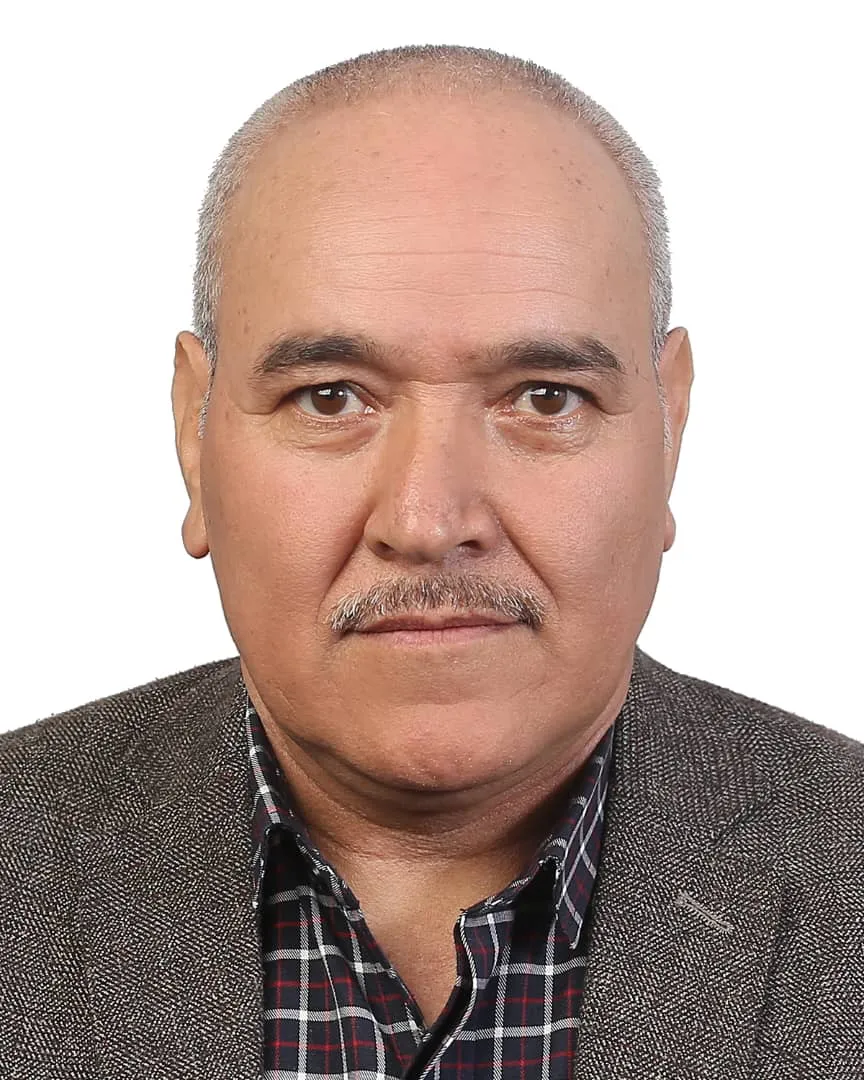
Program Manager
Sayed Zahir Mosawi is an Afghan education, human rights, and development professional with more than two decades of experience in education, training, project management, community development, human rights, and anti-human trafficking programming. He began his professional and social engagement in Iran, where he worked to expand educational opportunities for Afghan children and youth. During his student years, he co-founded the Asr-e Danesh Association, established the monthly magazine Tafahom, organized educational programs and community schools for undocumented Afghan children, and established a public library for Afghan youth. After returning to Afghanistan in 2002, Sayed Zahir Mosawi worked with CAWC, where he coordinated education, health, and infrastructure programs. He subsequently joined UN-Habitat, where he worked for seven years in education, training, and capacity development. In 2010, he joined Women for Afghan Women (WAW) as a Master Trainer under an Anti-Human Trafficking Project. In May 2012, he joined Hagar International, where he served in various professional capacities, including Senior Trainer, Master Trainer, Project Coordinator, Education Officer, and Project Manager. During his tenure, he contributed to programs addressing human trafficking, human smuggling, migration, education, community awareness, and capacity development. Sayed Zahir Mosawi holds a Master’s degree in Human Rights and has pursued PhD studies in Human Rights. His academic and professional interests include human rights, education, child protection, migration, human trafficking and smuggling, community development, research, and capacity building. Since 2026, Sayed Zahir Mosawi has been serving as Program Manager at New Horizon and Development Organization (NHADO), where he contributes to program development, strategic planning, project implementation, organizational capacity building, and coordination with partners and stakeholders. Throughout his career, Sayed Zahir Mosawi has remained committed to promoting education, human dignity, human rights, and opportunities for vulnerable and marginalized communities. His professional experience combines field-based practice, training and education, program management, research, documentation, and human rights advocacy. Research and Documentation In 2025, Sayed Zahir Mosawi conducted an extensive field-based research study on human rights violations and the living and working conditions of orphaned and vulnerable children engaged in labor, as well as women-headed households engaged in labor, across 10 provinces of Afghanistan. The research examined a range of issues affecting vulnerable groups, including poverty, unemployment, child labor, women’s employment, difficult working conditions, access to education, economic vulnerability, and other challenges related to the realization of fundamental human rights. The study was based on extensive field data and firsthand information collected from affected communities and was compiled into a comprehensive research report of several hundred pages. The research aims to document the human rights situation of vulnerable and marginalized groups and to provide evidence-based information for human rights organizations, humanitarian agencies, researchers, policymakers, and other relevant stakeholders. A summary of the research and its findings has also been shared with Rawadari, an Afghan human rights organization. The research has not yet been published in a recognized academic or professional publication and is currently awaiting an appropriate opportunity for publication and wider dissemination. This research represents an important part of Sayed Zahir Mosawi’s professional commitment to documenting human rights violations, amplifying the voices and experiences of vulnerable communities, and strengthening evidence-based understanding of human rights and social challenges in Afghanistan.